Synopsis:
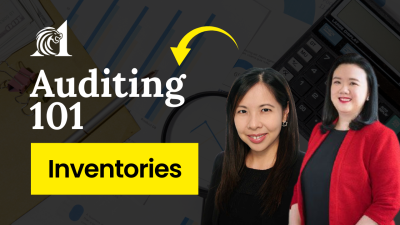
Auditing 101 – Subsequent Events provides a clear and practical approach to one of the most critical stages of the audit process. You will learn step-by-step how to conduct substantive audit procedures for subsequent events, evaluate their impact on financial statements, and ensure compliance with auditing standards. With sample audit working papers and structured guidance, this course helps you navigate the complexities of identifying, assessing, and documenting subsequent events effectively.
Delivered through short, practical videos, the course highlights real-world issues such as distinguishing between adjusting and non-adjusting events, assessing management disclosures, and addressing late-breaking developments. Practical case studies and actionable insights will equip you to apply professional scepticism, enhance audit documentation, and strengthen your ability to form well-supported audit conclusions.
The Auditing 101 series is a practical e-learning pathway designed to equip new auditors and finance professionals with the skills to perform high-quality audits of key accounts in the financial statements. Each module provides step-by-step audit procedures, supported by sample working papers, practical insights, and concise video lessons. Covering commonly audited accounts, this series combines technical guidance with real-world case studies.
Check out the other courses in this series:
Auditing 101 - Borrowings
Auditing 101 - Cash & Bank Balances
Auditing 101 - Property, Plant & Equipment
Auditing 101 - Related Parties
Auditing 101 - Trade & Other Payables
Intended For:
Most relevant to new auditors and finance professionals who have to perform audits of key accounts in the financial statements.
Competency Mapping: