Synopsis:
When fraud, misconduct or a cyber incident comes to light, how an organisation responds can shape the outcome, and its reputation.
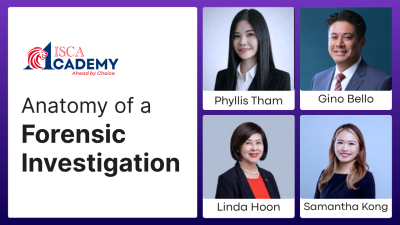
This practical panel explores the full lifecycle of a forensic investigation, from spotting early warning signs and deciding when to act, through evidence gathering and analysis, to presenting findings and driving resolution. Using real-world cases, the panel will examine how organisations can respond swiftly and rigorously, even when investigations cross borders or involve complex data, digital forensics and AI.
You’ll gain insights into protecting the independence and defensibility of an investigation, coordinating legal, compliance and business teams, and turning findings into clear actions for decision-makers. The discussion will also cover breach response planning and cyber insurance, including how to coordinate experts, manage notifications and escalation, and address residual exposures such as business interruption, regulatory liability and third-party claims.
The panel also explores the ethical responsibilities of regulators, directors, stakeholders and other professionals in upholding independence, objectivity, confidentiality and integrity in the investigation process.
Learn how to move from incident response to lasting improvement by applying lessons learned to strengthen governance, risk management and organisational resilience.
Intended For:
Competency Mapping:

Independent Director, Tru-Marine and Kidney Dialysis Foundation Singapore
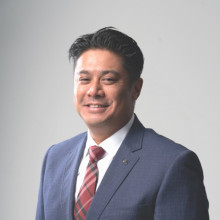
Managing Director, Secretariat

Vice President, Business Development, APAC, Specialist Risk Group

Head of Financial Lines Singapore, Delta Underwriting